
2026-10-17 · 6 min read · Frisco
Are Builder Incentives and Rate Buydowns Worth It in Frisco, Texas?
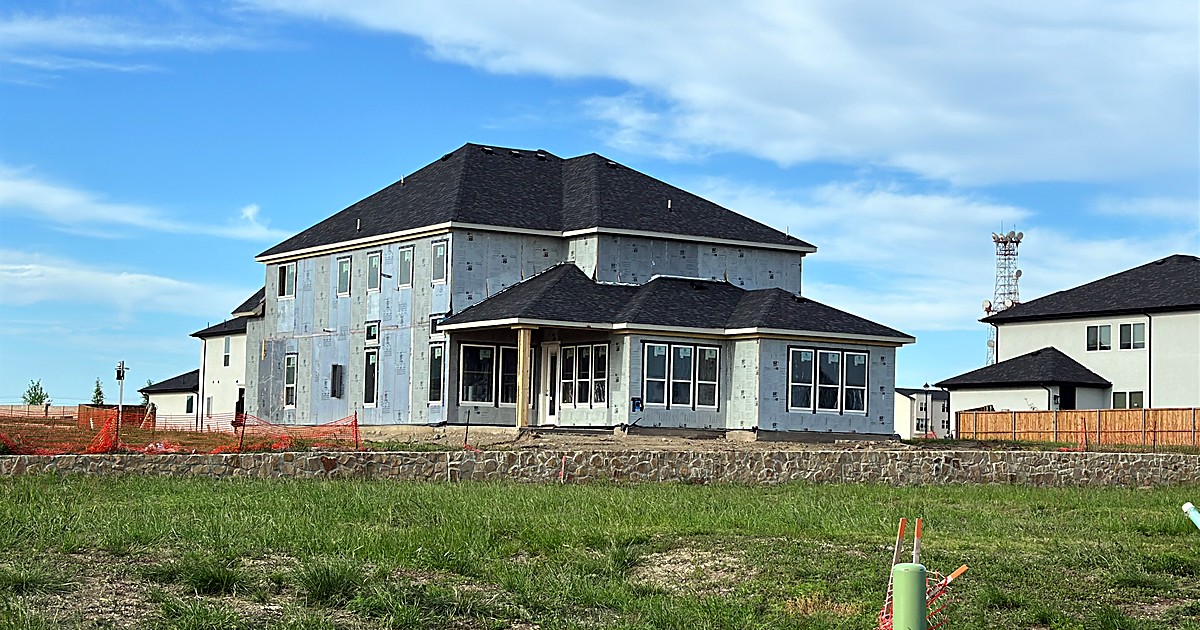
Are builder incentives and rate buydowns worth it in Frisco, Texas?
Sometimes. An incentive is worth what it saves you over the time you keep the loan, compared with the next best offer. A lower price, a different home, or a different lender can beat it. A temporary buydown lowers your payment for a set period, and a permanent one lowers it for the life of the loan. The numbers decide, and your lender runs them.
I'm Omega Mejia, a real estate agent with Simply Great Real Estate Group. I'm not a lender, so this post explains how the pieces work and what to ask. The short answer is in my FAQ, and the rest is here.
What is a rate buydown?
A buydown uses money to lower your interest rate. The Consumer Financial Protection Bureau describes the permanent version as discount points: one point equals 1% of the loan amount, you pay it at closing, and the rate drops by an amount that varies by lender, loan type and market conditions. The CFPB also describes the reverse, a lender credit, where you accept a higher rate in return for money toward your closing costs.
A temporary buydown works differently. Fannie Mae's Selling Guide describes it as lowering the borrower's rate for an early period, with the funds held in an account, under a written agreement between the party providing the money and the borrower. Fannie Mae's guide limits the rate reduction to 3%, the period to 3 years, and the increase to 1% in each year. Other loan types follow their own rules, so ask your lender which applies to you.
What does a lender check on a temporary buydown?
Fannie Mae's guide says the lender must qualify the borrower on the note rate, not the reduced rate. In plain terms, you are approved at the full payment, even if the first year is lower. That is worth knowing before you count on the early savings to make a home affordable.
The same guide says the funds may come from interested parties to the transaction, which includes a builder or seller, subject to its limits on interested party contributions. Those limits are covered in my post on whether sellers are paying buyers' closing costs. Your lender knows which limits apply to your loan.
Why can an incentive cost more than it saves?
A builder who offers money toward a buydown or closing costs may set the price with that in mind. A home with a lower price and no incentive can cost less over time than the same home with a bigger price and a credit. Nobody can tell from the headline. It comes down to total cost over the years you expect to stay.
Some incentives also come with conditions, such as using a particular lender or closing by a certain date. A temporary buydown ends, and your payment steps up. Ask for the terms in writing and ask what happens if the closing date moves. If the home sits in a special district, remember that the monthly payment includes more than principal and interest, so read my MUD and PID post too.
How do you compare an incentive fairly?
- Ask for the offer in writing. Get the amount, what it pays for, and any condition tied to it.
- Request Loan Estimates. The CFPB suggests getting Loan Estimates from several lenders for the same type of loan, and comparing the same number of points or credits.
- Compare against a lower price. Ask the builder what the price would be without the incentive.
- Look at your holding period. A point or a buydown pays off differently if you stay five years than if you stay fifteen.
- Price the whole payment. Include taxes, insurance and any district charge, since the incentive only touches the loan.
I do the home side of that comparison for you. Your lender does the loan side. Both belong on one page before you sign.
How long you keep the loan changes the answer
The CFPB gives a worked example. On a $180,000, 30-year fixed loan at 5.0% with no points, paying 0.375 points, which is $675, lowers the rate to 4.875% and saves about $14 a month. By my arithmetic, $675 divided by $14 is roughly 48 months, or about four years, before the savings catch up with the cost. That is an illustration from the CFPB, not a current rate or a quote for any Frisco home.
The lesson holds for any buydown. If you expect to move or refinance before the savings pay back what you spent, the offer costs you more than it returns. If you plan to stay a long time, it may pay off. That is why I ask buyers how long they expect to stay before we talk about points, credits or a temporary buydown.
What the headline offer does not tell you
A banner does not tell you which lots, floor plans or closing dates the offer covers. It does not tell you whether it lasts, because incentives change. It does not tell you how the same home compares with a resale house a few streets away. I look at both kinds of homes in Frisco and walk you through the choice in my post on new construction or resale.
My new construction guide for buyers, the new construction hub and my process for making an offer show where this negotiation fits. The City of Frisco and the area's many communities are also covered in things to do, which can help you compare areas.
What is the next step?
If a builder has made you an offer, send me the paperwork and we will line it up against other homes in your range. If you are still choosing a lender, ask for the same Loan Estimate from each. If you want a second set of eyes on an incentive before you sign, contact me. If you are buying for the first time and want the whole picture, start with buying a home, then contact me.
This is general information about my approach, not legal, tax, financial or insurance advice. Your lender runs the real numbers for your loan. Confirm the current rules with your lender, your broker or the Texas Real Estate Commission.
Frequently asked questions
- What is a temporary rate buydown?
- It lowers your interest rate for an early period, paid for by funds held in an account under a written agreement. Fannie Mae's Selling Guide limits the rate reduction to 3% and the period to 3 years for loans it buys.
- Does a buydown change how a lender approves me?
- For Fannie Mae loans, the lender qualifies you on the note rate, not the reduced rate. Ask your lender how your loan type works.
- What is the difference between points and lender credits?
- The Consumer Financial Protection Bureau says points lower your rate in return for money paid at closing, and lender credits lower closing costs in return for a higher rate.
- Can a builder require me to use its lender?
- Some incentives are tied to a lender or a closing date. Ask for the terms in writing and compare them with Loan Estimates from other lenders.