
2026-11-11 · 6 min read · Frisco
What Happens to Your Over-65 Tax Ceiling If You Downsize From a Frisco, Texas Home?
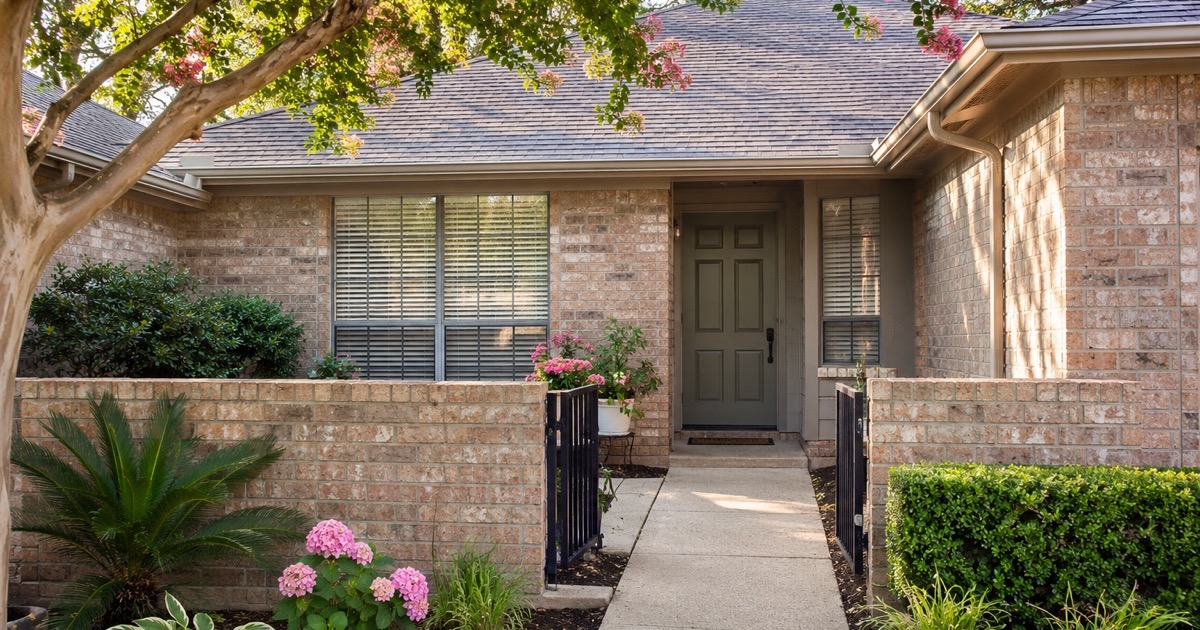
What happens to your over-65 tax ceiling if you downsize from a Frisco, Texas home?
What happens to your over-65 tax ceiling if you downsize from a Frisco, Texas home? It moves with you. A Texas homeowner who is 65 or older can carry the school tax ceiling to a different Texas home, and the new ceiling is the same percentage of the new home's tax bill. Downsizing does not erase the protection you earned.
I'm Omega Mejia, a real estate agent with Simply Great Real Estate Group, helping downsizers in Frisco, Texas make a move with confidence. I hold the Seniors Real Estate Specialist designation, and the tax ceiling is one of the first things I walk through with an owner who is thinking about a smaller home.
What is the over-65 school tax ceiling?
The ceiling is the amount of school tax you paid in the year you first qualified. After that, your school tax can drop below that amount but cannot rise above it while you live in the home.
One exception matters. Improvements other than normal repairs can change the ceiling, so a major addition can reset the math. Routine upkeep does not.
For a homeowner on a fixed income, that cap is the reason the school tax bill stays steady while values around them rise. It is among the most valuable protections a Texas homeowner earns by turning 65.
What else do homeowners 65 and older get?
An additional school homestead exemption. As of November 8, 2026, school districts give homeowners who are 65 or older an additional $60,000 residence homestead exemption, on top of the general school homestead exemption of $140,000.
To qualify, you must be 65 or older, hold an ownership interest in the home, and live in it as your principal residence. A surviving spouse who is 55 or older may qualify when the deceased spouse did.
My post on how a homestead exemption works for Frisco homeowners covers the general exemption in more detail.
How does the ceiling transfer to a smaller home?
The ceiling moves as a percentage, not as a dollar amount. A homeowner who is 65 or older can transfer the ceiling percentage to a different home in the same school district or in another Texas school district. The new ceiling equals that same percentage of the new home's tax.
Here is a simple example. A $100 ceiling on a $400 tax bill is 25 percent. If the new home carries a $1,000 tax bill, the new ceiling is $250.
Because the new ceiling follows the new home's tax bill, it scales with the home you buy. A smaller home usually carries a smaller bill, and the percentage you earned moves along with you.
Do you need a new application for the new home?
Yes. A new homestead application is required when a property owner's residence homestead changes. Applications go to the appraisal district in the county where the home sits, and there is no fee.
You will need a copy of a Texas driver license or state ID, and the address on it must match the address of the home. Applications can be mailed, filed in person, left in the drop box, or filed through the appraisal district's online taxpayer portal. Emailed applications are not accepted.
Plan this as part of the move, not as an afterthought. The earlier your new address is on your license, the easier the application becomes.
What are the deadlines?
For the general homestead exemption, the filing window runs from January 1 to April 30, and early applications are not accepted. The exemption is available to an owner who owns and lives in the home on January 1. A buyer who acquires the home after January 1 may receive the exemption for the part of the tax year that applies.
For the over-65 exemption, you have two years from the date you qualify. If you turn 65 in a given year, you have until your 67th birthday.
Those dates are why a move timed near the end of a year deserves a calendar. Your closing date and your January 1 date decide which tax year your new status starts to count.
If you are afraid of losing a protection you earned
The fear I hear most from owners who are 65 or older is giving up a lower tax bill for a smaller house that costs more to carry. The ceiling is designed for exactly this move. It follows you, it scales with the new bill, and it stays in place while you live in the new home.
What I do is put the timeline in order. We line up the sale, the closing, the move, the new license and the homestead application so nothing slips between them. My post on who sets your property tax bill and my post on how Texas property taxes work in Collin County fill in the rest of the picture.
How should you time the sale and the purchase?
Time them as one plan, with the January 1 date in view. The general exemption goes to an owner who owns and lives in the home on January 1, so a closing in December and a closing in February can land in different tax years. A buyer who acquires a home after January 1 may still receive the exemption for the part of the year that applies, so a later closing is not a lost year.
Moving within the same school district and moving to a different one both work, because the ceiling transfers to a different home in the same district or in another Texas district. That gives you room to choose the home that fits your life first and the tax detail second.
If you are choosing between selling first and buying first, my sell first or buy first post lays out how the order changes your options. Your tax dates are one more reason to decide the order on purpose.
What should you do before you list?
Here is the order I follow with downsizers:
- Find the date you first qualified. That year set your ceiling.
- Note the date you turn 65 or the date you did. The two-year window starts there.
- Time the sale and the purchase together. Your closing date decides which tax year your new status starts.
- Update your Texas license early. The address has to match the home for the application.
- File the new homestead application. Use the appraisal district for the county where the new home sits.
- Keep your improvement list short. Major additions can change a ceiling, and routine repairs do not.
What should you do next?
If you are thinking about downsizing from your Frisco, Texas home, start with my senior moves and downsizing page and my sell then buy page. To see what your home could sell for, request my free home value. You can read more on how growth affects your bill in my post on Collin County growth. When you want to plan your own move, contact me.
Source: Texas Comptroller of Public Accounts, residence homestead exemptions; Collin Central Appraisal District, homestead exemption FAQs. This is general information, not legal, tax, financial or insurance advice.
Frequently asked questions
- Can I keep my over-65 school tax ceiling if I move to a smaller home?
- Yes. A homeowner who is 65 or older can transfer the ceiling percentage to a different Texas home, and the new ceiling equals that same percentage of the new home's tax bill.
- What is the over-65 homestead exemption amount for school taxes?
- As of November 8, 2026, school districts give homeowners 65 or older an additional $60,000 residence homestead exemption, on top of the general $140,000 school homestead exemption.
- Do I need to file a new homestead application after I move?
- Yes. A new application is required when your residence homestead changes. It goes to the appraisal district in the county where the new home sits, with a Texas license or ID whose address matches the home.
- How long do I have to apply for the over-65 exemption?
- You have two years from the date you qualify. If you turn 65 in a given year, you have until your 67th birthday.