
2026-11-10 · 6 min read · Frisco
Is a Pre-Listing Inspection Worth It for Frisco, Texas Sellers?
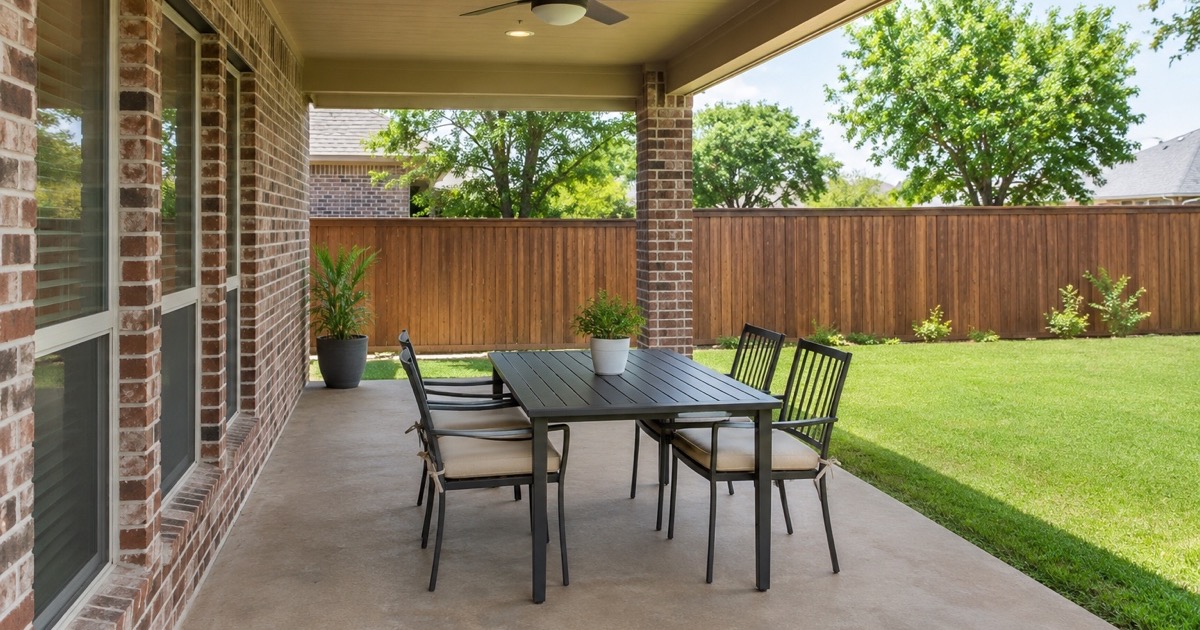
Is a pre-listing inspection worth it for Frisco, Texas sellers?
Is a pre-listing inspection worth it for Frisco, Texas sellers? For most sellers, yes, because it lets you learn what a buyer's inspector is likely to find while you still choose what to do about it. You see the condition of your home first, on your own timeline, instead of reading it for the first time in the middle of a contract.
I'm Omega Mejia, a real estate agent with Simply Great Real Estate Group, helping sellers in Frisco, Texas sell with a clear plan. A pre-listing inspection is part of my listing package, and the report is shared with buyer agents. Here is what it is, what it covers, and what it does not make you do.
What is a pre-listing inspection?
A pre-listing inspection is a home inspection you order before your home goes on the market. A licensed inspector walks the home and writes up what they see, using the same standard report form a buyer's inspector would use.
The timing is the whole point. A buyer's inspection happens inside a contract, with a deadline running. Yours happens before the first showing, with nothing running at all. You get to read the findings, think, get a price, and decide.
Who is allowed to inspect a Texas home?
Only inspectors licensed by the Texas Real Estate Commission. Texas has three license levels: apprentice inspector, real estate inspector, and professional inspector. An apprentice works under supervision. A professional inspector can inspect without sponsorship or supervision.
Texas rules also keep the process clean in two ways. An inspector may not pay a fee for a referral or for a spot on a preferred-provider list, so a recommendation is never for sale. And an inspector may not act as the inspector and the broker or sales agent in the same transaction.
What does the inspection report cover, and what does it leave out?
Inspectors in Texas use the TREC standard report form, known as REI 7-6, and follow the Texas Standards of Practice. The inspection is visual. An inspector is not required to look at anything buried, hidden or concealed, and is not required to estimate how many years a system or part has left.
Purely cosmetic corrosion is not required to be reported as a deficiency. Mold inspections fall under the Texas Department of Licensing and Regulation, not TREC, so a mold concern is a separate inspection with a separate license.
Knowing the limits helps you read the report the right way. It is a record of what an inspector could see on the day, not a promise about everything behind the walls.
Do you have to fix everything in the report?
No. An inspector's job is to document the condition of the home at the time of the inspection. An inspector is not required to recommend fixes. What you do with each finding is your decision.
That answers the fear I hear most from sellers: that an inspection will send them on a spending spree. It will not. It gives you a list, and then we sort it together. Some items you fix, some you leave and price for, and some matter to no buyer at all.
How does a pre-listing inspection help once buyers are in the picture?
Buyers use the option period to inspect the home and to negotiate repairs. When you already know what is in the home, that moment holds fewer surprises. The findings are not news, the conversation starts from facts you already have, and the price you set already reflects them.
My post on what happens after the home inspection shows the buyer's side of that moment, and my post on the option period explains how the window works. My seller disclosure post covers what you tell buyers in writing, and a report in your hands makes that easier to write.
How is a pre-listing inspection different from the buyer's inspection?
The form is the same and the timing is different. A buyer's inspector walks the home on another day, inside a contract, and writes a report on the same TREC form. Your report comes first, so you are never meeting a finding for the first time while a deadline runs.
Think of it as reading the exam questions before the exam. You still have to take the test. You walk in knowing what is on it, and that changes how you prepare, how you price and how you talk to buyers.
It also changes the tone of the negotiation. A buyer who sees a seller already holding a full report is dealing with someone who knows the home. That seller is harder to surprise and easier to trust, and both help a deal stay together.
When should you order the inspection?
Before anything else on the prep list. Photos, staging, paint and landscaping all come after you know what the home needs, because a repair done after the photos can undo the work you already paid for.
In practice that means the inspection is one of the first steps once you decide to sell. The report shapes the repair list, the repair list shapes the schedule, and the schedule sets the day the home goes live. Everything downstream gets easier when this step comes first.
My preparing your home page shows where the inspection sits in the full timeline, and my pricing your home page shows how the report feeds the price.
How do you put a pre-listing inspection to work?
Here is the order I follow with Frisco sellers:
- Schedule the inspection before the photos. Anything you fix should be fixed before the camera comes.
- Read the whole report. Start with safety items, then systems, then the small stuff.
- Sort every finding. Fix it, price for it, or leave it, one decision per line.
- Get prices for the fixes. A real number beats a guess every time.
- Share the report with buyer agents. A seller with nothing to hide earns trust before the first offer.
- Set your price with the report beside you. My Plan A, B and C pricing starts from the true condition of the home.
If you are afraid of paying for something you did not need
Sellers worry about spending money on prep that no buyer notices. A pre-listing inspection is the opposite of guessing. It tells you which items are real and which ones are noise, so you spend only where it counts. A seller who knows the list can say no to a repair that does not matter and yes to one that does.
The inspection fee itself is set by agreement between you and the inspector. Texas does not regulate inspection fees, so the quote is yours to get.
What should you do next?
If you are thinking about selling in Frisco, Texas, start with my selling your home page and the steps for preparing your home. When you want to know where your price should start, request my free home value with the Plan A, B and C approach. You can read the short answers on my FAQ page. If you want to talk through your own home, contact me.
Source: Texas Real Estate Commission, inspector licensing and Standards of Practice. This is general information, not legal, tax, financial or insurance advice.
Frequently asked questions
- Do I have to fix everything a pre-listing inspection finds?
- No. An inspector documents the condition of the home on the day and is not required to recommend fixes. You decide which items to fix, which to price for, and which to leave.
- Who can do a home inspection in Texas?
- An inspector licensed by the Texas Real Estate Commission, as an apprentice inspector, real estate inspector or professional inspector. Inspectors use the TREC standard report form.
- Does a standard inspection include mold?
- No. Mold inspections are regulated by the Texas Department of Licensing and Regulation, not TREC, so they are a separate inspection.
- Will buyers still inspect the home if I already did?
- Buyers can still use the option period to inspect the home and negotiate repairs. A report you already hold means that conversation starts from facts you know.