
2026-10-21 · 6 min read · Frisco
Frisco vs. McKinney, Texas: What Should Home Buyers Compare?
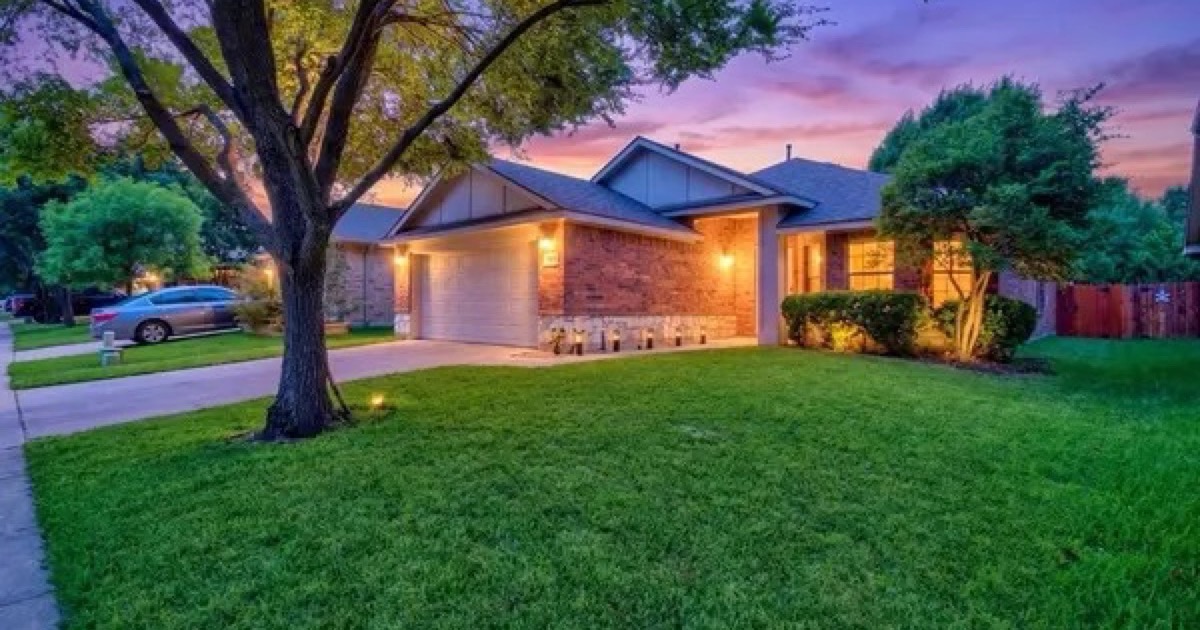
Frisco vs. McKinney, Texas: what should home buyers compare?
Compare the home, the block, the builder and the taxing units, not only the city name. Frisco and McKinney both sit in the Texas system, so the same state contract forms and the same property tax rules apply. Where they differ is the age of the homes, the pace of growth and the local governments that set your rates. A fair comparison starts with an address in each city and a real list of costs.
I'm Omega Mejia, a real estate agent with Simply Great Real Estate Group. This post uses official Census numbers and explains what to ask when you weigh Frisco against McKinney. My McKinney FAQ has the short version.
What do the Census numbers show?
Frisco has about 219,304 people, +23.9% since the 2019 estimate, a median household income of $150,212 and an average commute of 28.6 minutes (U.S. Census Bureau, American Community Survey 5-year estimates, 2024). McKinney has about 210,600 people, +15.7% since the 2019 estimate, a median household income of $124,215 and an average commute of 27.8 minutes (same source).
The housing numbers differ as well. Frisco counts 80,353 homes and apartments with a median year built of 2009, and 65.9% of homes lived in by their owners. McKinney counts 77,617 with a median year built of 2007, and 63.8% lived in by their owners. See the Frisco data page and the McKinney data page. These are estimates for each whole city, and they say nothing about any single home.
How do the homes differ?
The median year built is close, 2009 for Frisco and 2007 for McKinney, so both cities lean toward newer homes compared with the older parts of the metro. The averages hide a lot. Neighborhoods in both cities were built in different decades. Some blocks are established and others are being built now, so a city average cannot tell you what a particular block looks like.
That is why I look at a block and a builder. Ask for the year built, the roof age, the lot and the floor plan, and compare homes in your price range in each city. My page on buying a home shows how I narrow the search, and the new construction hub shows what is being built.
Beyond the house, compare the lot, the street, the distance to the places you use every week and any community association rules. Visit each address at the time of day you would be home, and walk the block. A home that works on paper can feel different in person, and the visit costs you an afternoon, not a contract.
How do the taxes compare?
You cannot tell from the city name. The Texas Comptroller says each local taxing unit, such as a school district, city, county or special district, sets its own rate, and appraisal districts appraise property as of January 1 each year. The tax is based on the property's value less any exemptions. Two homes in the same city can sit in different districts and get different bills.
So price the tax for the specific address. Ask the appraisal district for the county where the home sits which taxing units cover it, and ask your lender to estimate the monthly payment with taxes and insurance. My post on how Texas property taxes work in Collin County walks through the steps, and how a homestead exemption works covers what to file after closing.
Exemptions matter too. The Texas Comptroller says school districts must give a $140,000 residence homestead exemption, and that other taxing units may adopt their own exemption of up to 20 percent of appraised value, but not less than $5,000. Whether a city offers one is that city's decision, so ask for the current exemptions that apply to each address you compare.
What a city comparison does not tell you
Neither city is right for every buyer, and nothing replaces a look at the actual home. A median is the middle of many homes, not the one you are considering. A fair comparison sticks to the homes, the rules, the costs and the places you can verify.
School assignments are one more thing to check by address. Confirm the district for any home you consider directly with that district. The same goes for any special district or community fee. Those items sit outside a city-wide comparison and can change the monthly cost. For new communities, read MUD and PID taxes in a new Collin County community.
What should you check in each city?
- Pick two or three real addresses. Compare homes at your price, one list per city, not the city averages.
- Ask for the tax picture by address. Request the taxing units and the exemptions for each home.
- Get insurance quotes. Roof age and location can change the quote, so ask before you make an offer.
- Check any community fees. Ask about homeowners association dues and any special districts in writing.
- Drive your own commute. Census averages are 28.6 minutes for Frisco and 27.8 minutes for McKinney, and your trip may differ.
If new construction is in the mix, compare it with resale using my post on new construction or resale in Frisco.
What should buyers and owners do next?
Read the Frisco and McKinney pages, then look at the process in my buying guide. Owners who are weighing a move between the two cities can start with a home valuation.
If you own in Frisco and are curious how your street compares with what is selling around it, ask for my neighborhood market update and contact me. If you are choosing between Frisco and McKinney for your next home, contact me and we will compare real addresses side by side.
This is general information about my approach, not legal, tax, financial or insurance advice. Census figures are estimates. Confirm the current rules with your broker, your lender or the appraisal district.
Frequently asked questions
- Do Frisco and McKinney follow the same home-buying process?
- Both are in Texas, so the Texas Real Estate Commission's contract forms and the state's property tax system apply. Taxing units and districts differ by address, so confirm them for each home.
- Which city has newer homes?
- By the Census median year built, Frisco is 2009 and McKinney is 2007. A median is a city-wide middle, so check the year built for each home.
- Are property taxes lower in Frisco or McKinney?
- It depends on the address. Each taxing unit sets its own rate, so ask the appraisal district which units cover the home.
- How long is the commute from each city?
- The Census average commute is 28.6 minutes for Frisco and 27.8 minutes for McKinney. Your own trip depends on where you work.