
2026-11-14 · 6 min read · Frisco
How Do You Decide What Your Frisco, Texas Home Is Worth?
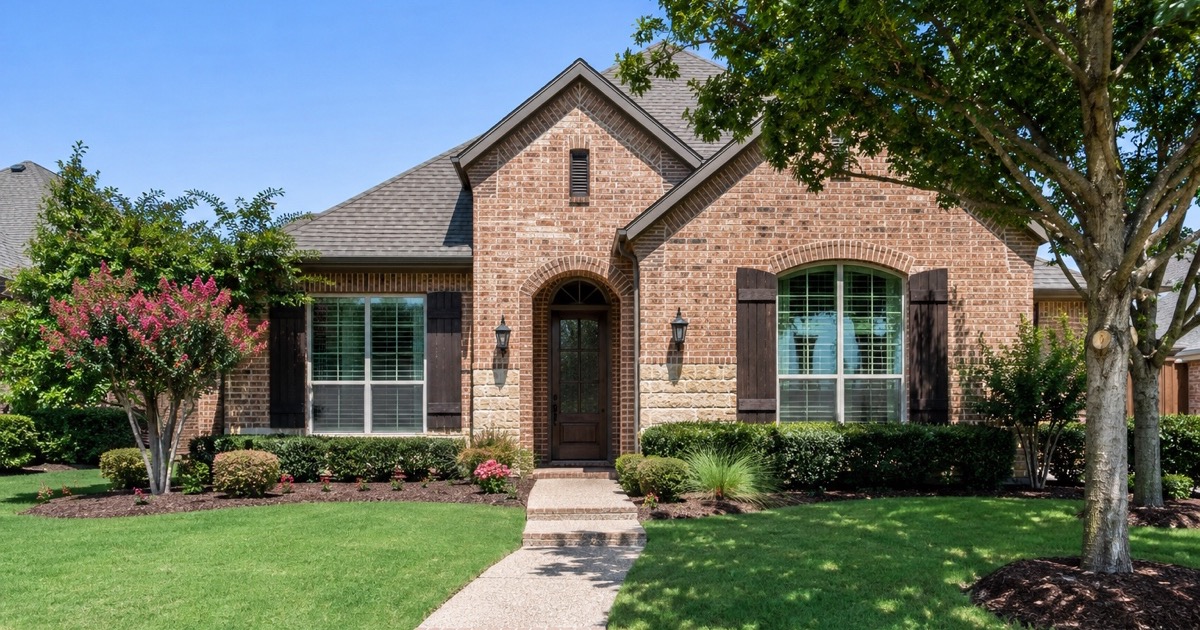
How do you decide what your Frisco, Texas home is worth?
How do you decide what your Frisco, Texas home is worth? You look at what similar homes nearby have sold for, then adjust for what makes your home different. The number the county mails you each year is a separate figure, and so is the number a lender's appraiser lands on. Only the sales of comparable homes tell you what a buyer is likely to pay.
Omega Mejia is a real estate agent in Frisco, Texas helping sellers make the right move, and pricing is the part that sellers worry about most. If you are afraid of pricing wrong, this post shows you where each number comes from and which one to trust. My FAQ answer on pricing gives the short version.
Why does your home seem to have three different values?
Three different groups put a number on your home, and each has a different job.
The appraisal district sets a value for property taxes. A lender's appraiser estimates value for a buyer's loan. The market sets the price a buyer will pay. These numbers often differ, and none of them is wrong. They answer three different questions.
Sellers get into trouble when they treat the county's number as a price tag. It is a tax number, not a sales number.
How does the county set its value?
In Texas, each appraisal district determines the value of every taxable property inside its county lines. Frisco spans two counties, so a home in Collin County is valued by the Collin Central Appraisal District, and a home in Denton County is valued by the Denton side.
State law requires the district to appraise at market value as of January 1. The Texas Comptroller defines market value as the price a property would sell for under prevailing market conditions, offered on the open market with a reasonable time to find a buyer, with both sides informed and neither under pressure.
For single-family homes, districts typically use the sales comparison approach. They look at what similar properties sold for and adjust for differences. A district appraises the typical property in each class and must reappraise at least once every three years.
If you have a homestead exemption, your appraised value for tax purposes can rise no more than 10 percent per year, and it is also limited by market value. That cap protects your tax bill. It does not tell you what your home will sell for. An owner who disagrees with the district's number can file a protest with the appraisal review board and may request an informal conference first. My post on who sets your property tax bill in Frisco covers the tax side in full.
What does a lender's appraisal do?
An appraisal is a written estimate of a home's value based on current market conditions, prepared by a licensed appraiser. In most cases the buyer's lender requests it, and its job is to tell the lender the home supports the loan.
The appraisal comes after you have a contract, so it cannot set your list price. It can still affect your sale, because a low appraisal puts pressure on the deal. My post on what happens if your Frisco home appraises below the offer walks through the options. Pricing the home well at the start is the best protection against that conversation.
How do you find the price that fits your home?
The price that fits your home comes from recent sales of similar homes on or near your street, adjusted for the differences between those homes and yours. Street by street matters more than a citywide average, because Frisco has many different pockets with different home types and different buyers.
Differences that move a price include size, age, condition, updates, lot and location. I weigh each one against the sales that closed, not the asking prices of homes that are still sitting. A sold price shows what a buyer paid. An asking price shows what a seller hopes.
That is the heart of a comparative market analysis, which is what I build for every seller before we talk about a number. I refresh it monthly while a home is listed, so the price keeps up with the market.
What are Plan A, Plan B and Plan C?
I do not hand you a single number. I show you three pricing strategies and the tradeoffs of each, and you choose.
Plan A tests the ceiling. You list at the top of the range of comparable sales. It suits a strong property and a seller who is willing to take some risk, and the risk is that a home that draws no offers can start to look stale.
Plan B matches the market. You list at the realistic comparable price. It suits most sellers and most homes, and it is my default recommendation when timing is normal.
Plan C tests the floor. You list below the comparable range to create competition. It suits a seller who wants speed over top dollar, and the risk is that a misjudged market leaves money on the table.
I'm comfortable with all three, and I carry out whichever one you choose the same way.
If you are afraid of pricing wrong
Fear of pricing wrong usually means one of two things. You worry about leaving money behind, or you worry about a home that sits. Both fears are reasonable, and the three plans exist because they pull in opposite directions.
The first step is to see real numbers for your street. My free home value page starts that conversation, and my pricing your home page shows where pricing sits in the full selling timeline.
How do you get a price you can trust?
Five habits keep a price grounded:
- Start with sold homes. Closed sales on or near your street tell you what buyers paid.
- Treat the county number as a tax number. It helps with your tax bill and does not set your list price.
- Adjust for your home. Size, age, condition, updates and lot each move the number.
- Choose a plan on purpose. Decide whether you want the ceiling, the market or the floor before you list.
- Keep the price moving with the market. A monthly refresh keeps the number current while you are listed.
My selling your home page shows how I work with sellers from first conversation to closing, and my process page shows the whole path.
Meet Omega
I'm Omega Mejia with Simply Great Real Estate Group at OnDemand Realty. I sell homes in Frisco, Texas and the surrounding Collin County areas in North Texas, and I serve the Florida Panhandle.
I hold a Master's degree and bring 30+ years in education, fitness coaching, and sales. Education taught me to explain the why, coaching taught me to keep people moving toward a goal, and sales taught me to negotiate. I'm certified in AI marketing, a Realtor® with designations in SRES®, ABR, GRI, RENE, a Certified Community Market Leader, and a Certified Commercial Specialist. Licensed in Texas and Florida.
If you want to know what your Frisco home would sell for, start with my free home value page, or contact me and we will go through the numbers together.
Source: Texas Comptroller of Public Accounts; Collin Central Appraisal District; Texas Real Estate Commission. This article describes my general approach and is not legal, tax or lending advice.
Frequently asked questions
- Is the county's appraised value the price I should list at?
- No. The appraisal district's value is a tax number set as of January 1. Your list price comes from recent sales of similar homes near yours.
- Who sets the appraised value of a Frisco home?
- The appraisal district in the county where the home sits. Collin County homes go to the Collin Central Appraisal District, and Denton County homes go to the Denton side.
- What is a lender's appraisal?
- It is a written estimate of value by a licensed appraiser, usually requested by the buyer's lender after a contract is in place.
- What are Plan A, B and C?
- They are three pricing strategies: list at the top of the comparable range, at the realistic market price, or below the range to create competition. You choose one.